Indian Competitive Debate Formats and How They Compare to US Models
India and the US build debate champions through incompatible formats and philosophies.
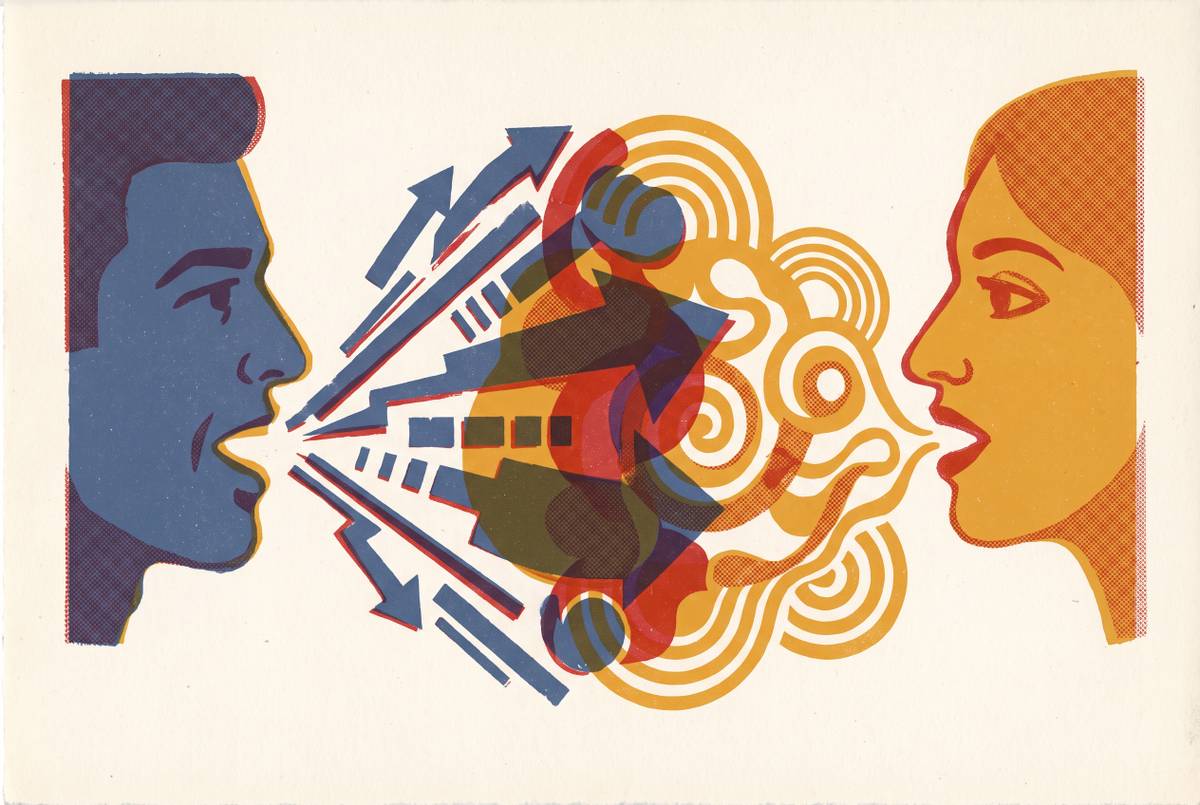
A debater stepping from one circuit into the other will lose to the format before the topic even matters. One school debate system is built on team-based improvisation, while another is built on solo preparation: rhetorical clash against evidentiary depth. Neither circuit is a developmental feeder for the other. They are peer systems producing world-class debaters through different means.
Why the Indian and US debate circuits feel so foreign to each other's debaters
The disorientation arrives before the first speech ends. A debater who has spent years mastering three-speaker team coordination watches the clock reset for an entirely different burden, one where no teammate sits beside them to catch what they miss. The gap is not a matter of skill level or topic knowledge. It is structural, written into the rules, team sizes, timing, and judging criteria that each circuit treats as natural.
Indian school debaters overwhelmingly practice World Schools and Asian Parliamentary formats. Debaters in the other circuit overwhelmingly encounter Lincoln-Douglas, Policy, and Public Forum. Each group has internalized assumptions about what a debate round is for that the other group has never had reason to question.
The stakes here are not hypothetical. One of these circuits is not building toward the other's model. It is operating a complete system with its own internal logic, and the question for any debater crossing between them is which of their skills will hold up in an unfamiliar room.
How World Schools and Asian Parliamentary formats shape the Indian school circuit
The Indian school circuit runs on two formats above all others, and their mechanics explain the strengths Indian debaters develop. World Schools Debate, the WSDC format, places three speakers on each side. The format mixes prepared motions with impromptu ones released one hour before the round, and the reply speech itself is a defining feature: a speaker summarizes the full debate and reframes the clash, rewarding debaters who listen to everything said rather than delivering prepared material.
Asian Parliamentary shares the three-versus-three structure and serves as the middle stage in the Indian Debating League's escalation path before finals revert to World Schools. It puts four teams of two in one room and ranks all of them first through fourth, so teams nominally on the same side still compete against each other. That feature is in neither standard Indian school debating nor standard formats across the other circuit, and it creates a strategic calculus both circuits leave their debaters unprepared for.
The impromptu element in Indian debating is structural, not incidental. In Indian Schools Debating Society regional selections, two of four rounds use topics released one hour before the debate and two use topics released in advance. The format deliberately tests preparation and improvisation in the same competition day, a design choice that shapes what Indian debaters train for from their earliest tournaments.
The Indian Schools Debating Championship gives the format its concrete calendar. Prelim rounds run over Zoom on Saturday 29 November and Sunday 30 November 2025, with knockout rounds on 7 December 2025 over Zoom and the Grand Final in person in Chennai on 26 December 2025 at Arsha Vidya Mandir. Government school and APS fees are waived, and bursaries are available.
How Lincoln-Douglas and Policy formats shape the US high school circuit
One high school circuit is built around solo speaker development and deep case preparation, and that design makes a different kind of debater. Lincoln-Douglas sits at one end of the spectrum: one speaker per side, structured around values and ethical principles, with cross-examination periods built into the round. It is a genuinely solo format. There is no team to distribute burden across, and no teammate to absorb a missed argument.
Policy debate is the research-intensive pole. Two speakers per side construct cases over weeks or months, because motions are released well in advance. The culture runs on evidence cards, citation practice, and preparation depth, not rhetorical improvisation. A Policy debater's relationship to the topic is built long before the round begins.
Public Forum deserves particular attention because it is where the US and Indian formats converge. Two speakers per side, policy-grounded and geopolitically specific in its resolutions. Past resolutions in this format have addressed whether the US should remove nearly all of its military presence in Arab Gulf states and whether the benefits of US offensive cyber operations outweigh the harms. That register is different from WSDC's more values-oriented motions, and it demands a different kind of preparation.
Congressional Debate is a separate format built around legislative simulation, less directly comparable to either Indian format. The National Speech and Debate Association supports all of these at the national level. NSDA Nationals 2026 drew students from schools across the country competing over six days. The core design logic of this circuit is the mirror image of the Indian model: motions released far in advance, evidence expected to be cited, individual speaker performance the primary unit of evaluation.
The four structural differences that actually determine what skills transfer
The differences between these systems are not superficial variations in timing. They reflect different theories of what debate is training people to do, and those theories determine which skills cross the circuit boundary and which do not. Four structural dimensions carry the weight of that divergence.
Team size and burden distribution is the first. WSDC and Asian Parliamentary are team sports, three speakers sharing the labor of building, extending, and defending a case. Lincoln-Douglas is entirely solo, and an Indian debater moving to LD must carry the full burden of construction, response, and cross-examination without any teammate to catch what they miss. That is not a matter of working harder. It is a different cognitive load.
The second is the prepared versus impromptu divide. A debater trained only in prepared-topic formats has never practiced constructing a case from scratch under time pressure. The skill is trainable, but it takes deliberate repetition, not a single adjustment.
Judging criteria is the third divergence. WSDC judging weighs matter, manner, and method across all speakers: content and argument, delivery and style, structure and response. US Lincoln-Douglas judging centers on the resolution of a values clash. The winning move in one system, a well-structured reply speech that reframes the round, does not exist as a speech type in LD at all.
The fourth structural feature is BP's four-team ranking, where teams on the same side still compete against each other. It appears in neither standard format, and debaters from both circuits are unprepared for its strategic calculus when they encounter it. The scale of each circuit is real on both sides: over 700 schools competed in the Frank Anthony Memorial All-India Inter-School Debate in 2025, and the Dr Amidas Goradia International Inter-School Debate drew 51 schools the same year, including teams from Nepal, Nigeria, and Muscat.
Where Indian tournaments deliberately bridge the two systems
The Indian circuit is not static. Several tournaments are explicitly designed to expose debaters to multiple formats in sequence, and that sequencing is itself a form of cross-circuit training. The Speech Debate India × Harvard circuit is the most important example for this direction: it is the clearest path for Indian students to build US Public Forum skills, and its Rs. 5,500 per day price tag effectively selects by economic tier, a point that matters when assessing who can afford to bridge the systems.
The Indian Debating League takes a different approach. Round 1 is a solo one-versus-one spar with three-minute speeches, three chances to qualify, and no partner required. Round 2 moves to 3v3 Asian Parliamentary. The National Finals use 3v3 World Schools format. The solo Round 1 is the closest structural equivalent on the Indian circuit to the individual-speaker model of US LD, a deliberate on-ramp that requires no team or school debate society to enter.
Verbattle stands apart as a distinct case. Half the round involves out-arguing someone who agrees with you. That is structurally unique, with no equivalent in either the standard Indian WSDC/AP circuit or the US circuit. Its stages carry names like Clamber, Skirmish, Combat, Confrontation, and Face-Off, with Karnataka finals on 20 August, Tamil Nadu in August, Maharashtra in September, Junior Hindi Online in October, and Senior National in November.
What the path to India's national team reveals about how the Indian circuit values debate
The Indian Schools Debating Society selection process is designed to test preparedness and improvisation in the same competition day, a choice that reflects the circuit's core belief about what a complete debater must be able to do. ISDS, founded in 2008 and powered by the Ramco Group of Companies, is the only body that selects India's WSDC team. Eligibility requires ages 12 to 18, current enrollment in school in India, and continued enrollment during July to August 2027, with 12th graders eligible.
The selection process runs in three stages. Each is a one-day online event over Zoom comprising four rounds in WSDC format, with two topics released in advance and two released one hour before the round. Students can apply only once in the selection cycle and only in their regional round, with schools within the region receiving explicit preference. Top finishers at ISDC, India's National Debating Championship, enter directly into the final stage of national selections.
The competitive record substantiates the design. It won the International Competition for Young Debaters in 2025, 2023, 2022, 2021, and 2017, reached the WSDC Grand Final in 2018, and won the Asia Championships in 2016. The WSDC 2026 championship is set for Kenya, and WSDC 2027 will be held in Sofia, Bulgaria, where the five selected students travel at a subsidised cost.
The institutional contrast is structural: the US has no single body equivalent to ISDS that selects a national team for a world championship in the same way. American competitive debate is decentralized, organized through NSDA and school-by-school programs rather than a national squad model. The Indian Debating League's growth tells its own story: IDL 5.0 had more than 650 premium schools participating, a figure that more than doubled in IDL 6.0.
Which skills transfer between circuits and which require deliberate rebuilding
Some skills are genuinely portable across the Indian and US circuits, and knowing which ones are is what prevents a strong debater from being humiliated in an unfamiliar room. Clash identification transfers directly: understanding what the central disagreement is and speaking to it is rewarded in WSDC, AP, LD, and PF alike. The Turncoat exercise at the Goradia tournament, arguing both sides of a motion against yourself, trains exactly the skill of steelmanning the opposition that makes rebuttal better in any format.
Other skills require deliberate rebuilding, and the direction of travel matters. Comfort with one-hour-notice topics requires a different preparation discipline, and rhetoric and manner scoring require attention to delivery that evidence-card culture can crowd out. Going either way, BP's four-team ranking structure is foreign and asks for a new strategic layer. The Frank Anthony Memorial debate's model offers a useful training constraint for any debater wanting to build improvisation under realistic conditions: motion one hour before, books and journals allowed, phones and internet prohibited. The format rewards breadth of reading rather than last-minute research, a discipline that serves debaters on either circuit.
How to build cross-circuit readiness through live, judged practice
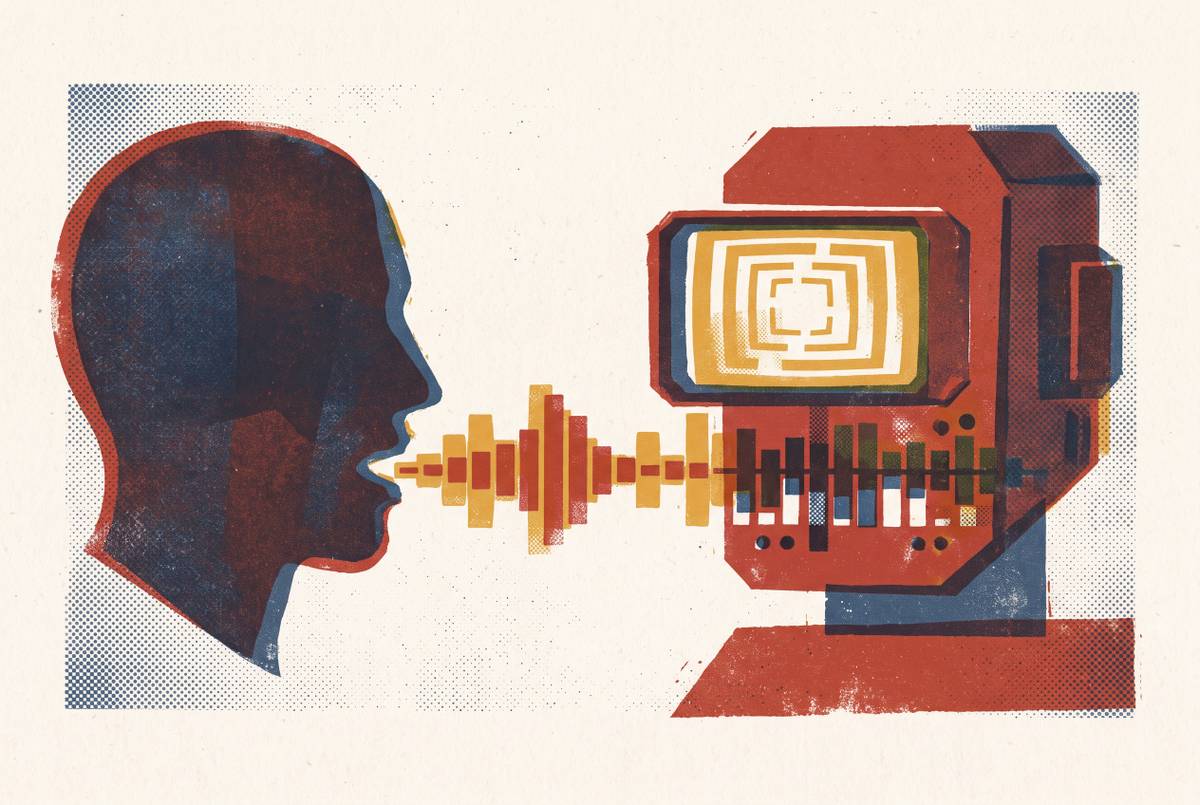
Understanding these structural differences is only useful if it leads to practicing the specific skills each format demands. The fastest way to build them is live, spoken rounds with a real opponent and a scored verdict that can be reviewed afterward. The core insight from the IDL's design is that debate is a competitive team sport, like chess training, not a classroom discussion. It requires a real opponent and a score, not just preparation material.
For Indian debaters preparing to enter US PF or LD, the specific deficit is solo burden and evidence-citation discipline. Practicing solo rounds against a live or AI opponent with a scored decision directly addresses this, because the score tells whether the solo case actually held up rather than whether it sounded good in rehearsal. For debaters from the other circuit preparing to enter WSDC or AP, the specific deficit is comfort with impromptu topics and the reply speech structure. Timed rounds that begin immediately, before a case is prepared, are the only way to build the improvisation muscle the Indian circuit demands.
The access argument applies directly here. Quality debate practice should not depend on belonging to a well-funded school team or being able to afford Rs. 5,500 per day for a circuit that teaches the format a debater needs. A platform where any debater can find a live opponent in their format and receive a scored verdict closes that gap, and it closes it for both circuits at once.