Solo Debate Practice That Builds Real Skills When Your School Has No Team
Targeted solo drills and AI opposition can stand in for a team.
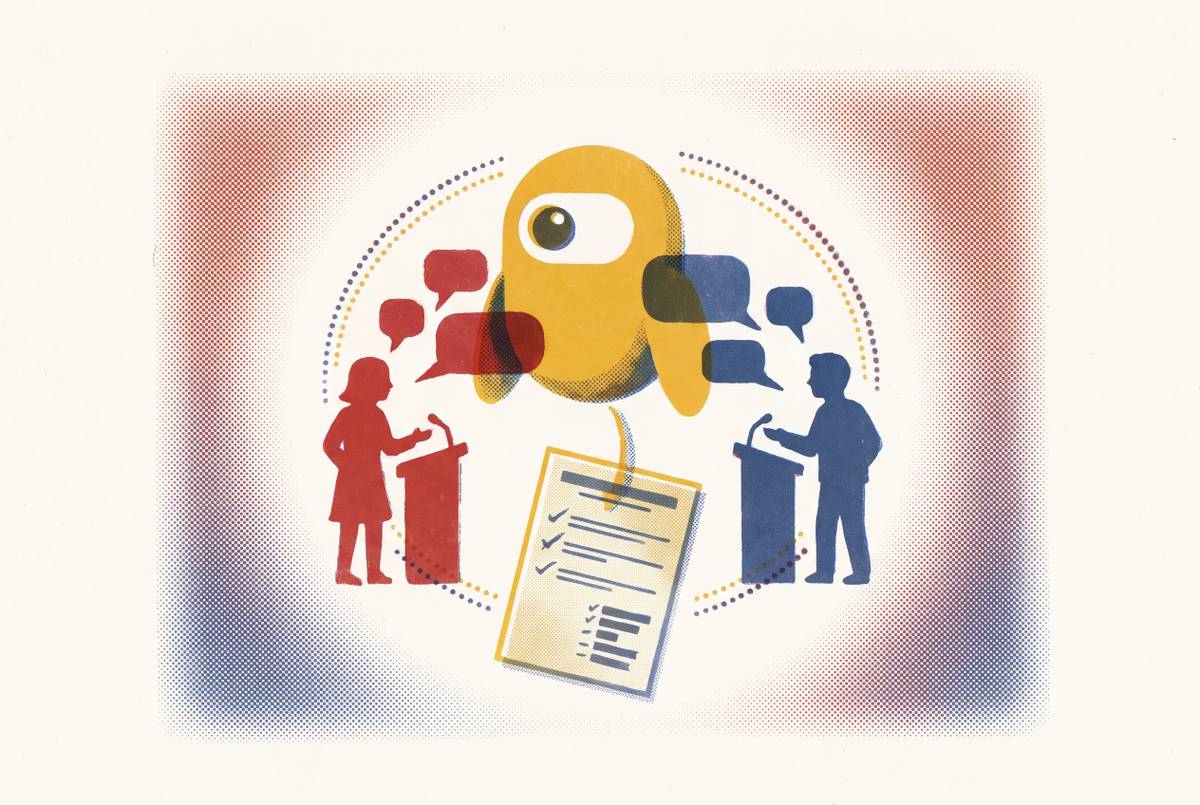
Students without a school team can build real debate skills with solo drills that target one skill, adaptive AI opposition, and scored rounds. Students learn best when they work on skills apart from full rounds, then use clear judging criteria to see what needs work.
Why students without a school team face a structural access problem, not a motivation problem
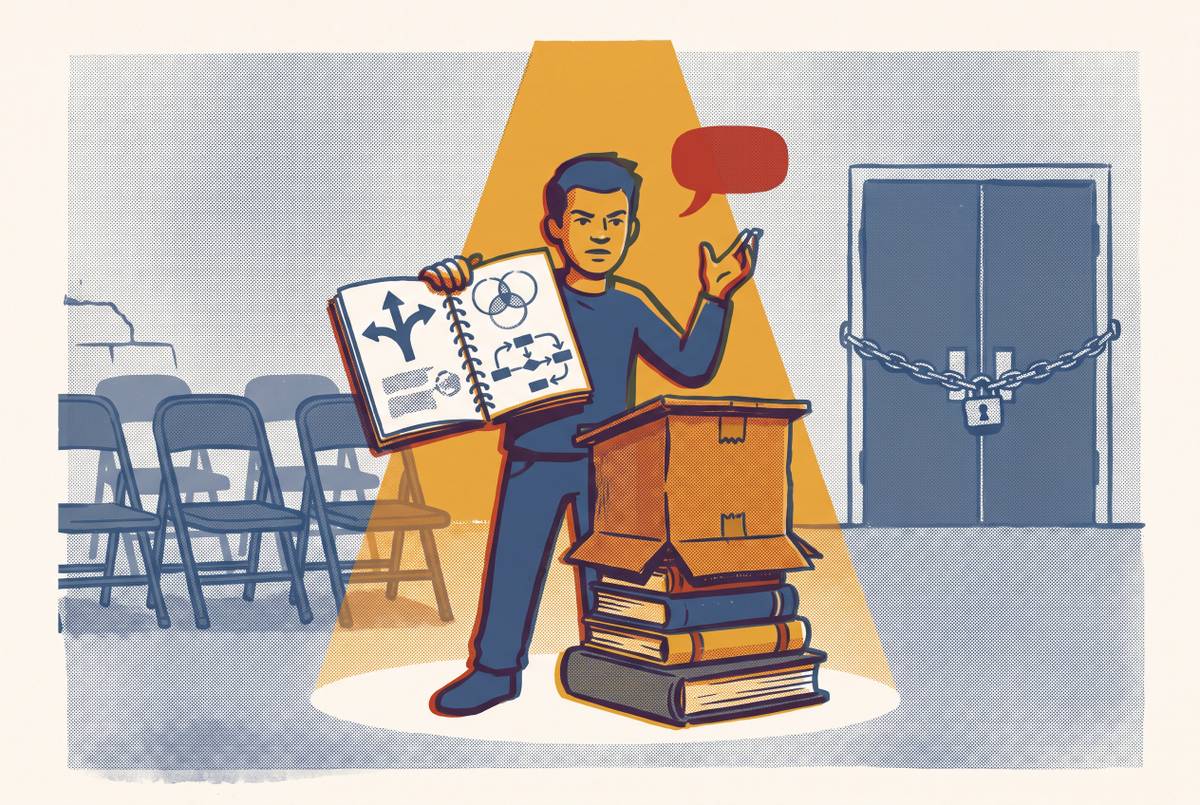
A school debate team supplies a regular opponent, a coach who diagnoses weaknesses, and tournament rounds that combine performance pressure with scored feedback. Without a team, students lose all three at once. A student may be ready to prepare and speak but still lack anyone who can challenge the case, evaluate the response, or arrange the next round.
The traditional improvement model depends on coordination that an institution can reliably supply, while an independent student must assemble those functions separately. AI opponents remove the dependency on a willing practice partner by responding to specific arguments in real time. Scored online rounds supply an external assessment of a completed performance. These substitutes address distinct gaps, so their value depends on how they fit into a training sequence.
Why "practice debate more" fails without a structure that isolates specific skills
More rounds do not automatically produce better reasoning. Repetition can reinforce a flawed argument just as readily as a sound one, especially when nobody identifies the difference. A student practicing alone may become more fluent without becoming more precise. Confidence is not a diagnosis of argument quality. Practice therefore needs a goal small enough for the student to spot and fix mistakes within a session.
Practice starts with one observable behavior. “Become better at debate” gives a student no clear test, whereas stating a claim in one sentence makes success visible. Answering the strongest objection before adding another point provides a similarly specific target. Each isolates a decision that can otherwise disappear inside a long speech. Once the student can make that decision reliably, a full round can test whether they still do so under pressure.
Topic continuity helps make that comparison meaningful. Sticking with one topic for several sessions makes it easier to see whether reasoning has changed, without differences in subject knowledge getting in the way. A clearer explanation of the same argument provides better evidence of progress than a fluent speech on an unrelated subject. The drills that follow use this principle to separate argument construction, rebuttal, and listening before combining them.
The solo drills that build the foundational skills debate requires
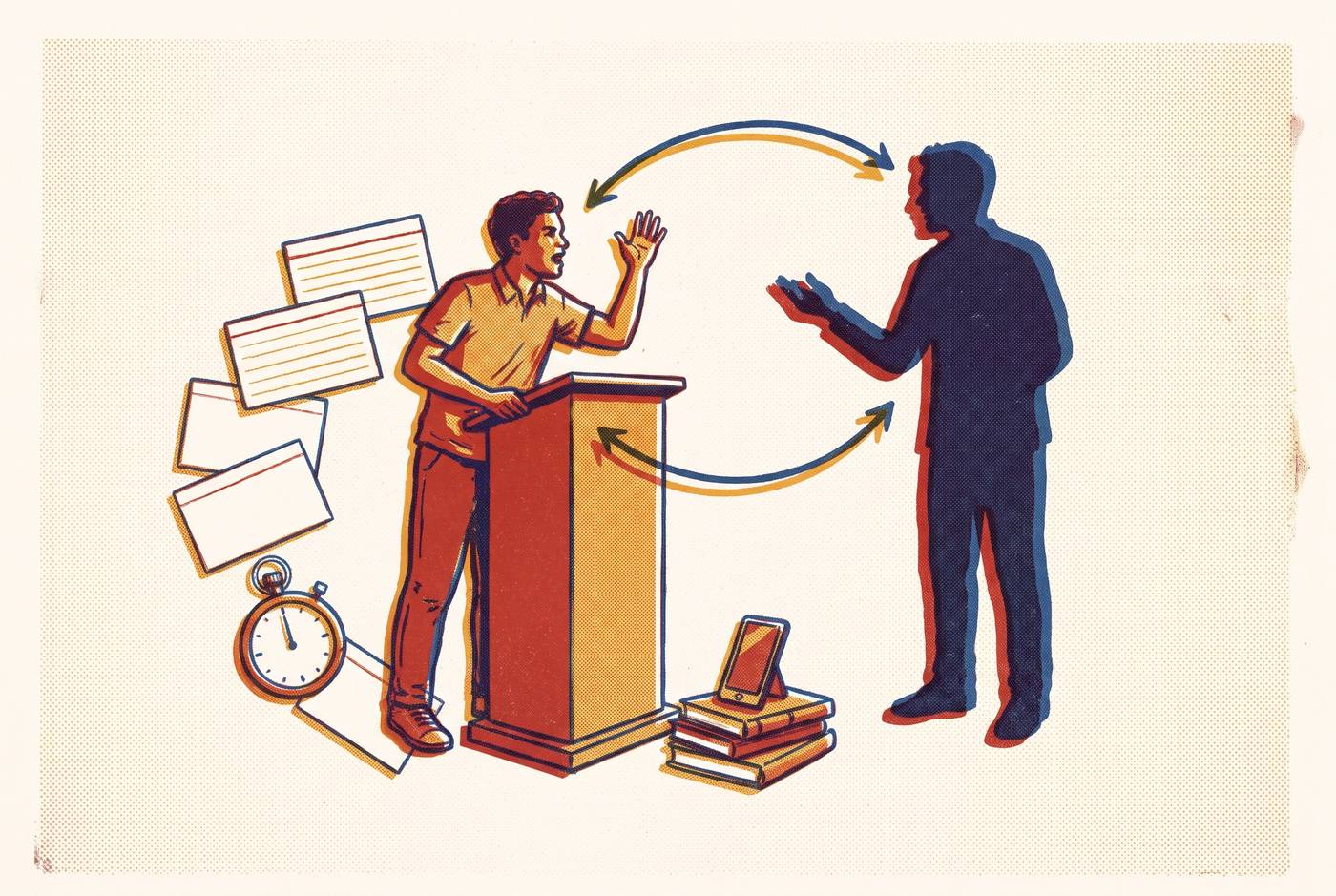
The 2-minute argument drill helps students build an argument quickly. Set a timer. Deliver a complete argument out loud, including a claim, warrant, evidence, and impact. The warrant explains why the evidence supports the claim, while the impact establishes why the conclusion deserves attention. Aim for completeness within the time limit. Flash drills add unfamiliarity by asking the student to draw a motion from slips of paper and deliver a one-minute opening speech.
Rebuttal practice changes the task from constructing a case to answering one. In Shadow debating, the student responds to a recorded round. Vancouver Debate Academy identifies WSDC finals as a strong source for this exercise. Pause after an argument, deliver a counter out loud, then resume and compare the actual response with the practice response. The time pressure response drill begins with two minutes to answer a complex argument, then progressively shortens the window. The four-step structure “They Said → But → Because → Therefore” gives that response a compact frame.
Listening requires a different kind of compression. In the summarization drill, listen to a lengthy speech or TED Talk and restate its main points in as few words as possible. The aim is to retain the argument while stripping away unnecessary language, a skill that supports flowing and live rebuttal. The refinement round applies similar discipline to a past speech through three passes, focused first on clarity, then brevity, then connection to the audience. Revision exposes weaknesses that live delivery can conceal.
Perspective reversal tests what a case takes for granted. Write a complete argument for one position, then immediately build the opposing case out loud. The refutation mirror drill makes the reversal more concrete by recording a four-minute constructive speech and immediately rebutting it. Both exercises require the student to treat a familiar argument as something contestable. These drills draw only on objections the student can already think of, while live opposition can bring up others.
How to pick a debate topic that makes solo practice productive rather than circular
A productive topic gives both sides a genuine path to victory. Otherwise, practice can become repeated assertion. “The death penalty does not deter violent crime” offers resolvable empirical stakes, whereas “the death penalty is morally wrong” can collapse into competing values that neither side can dislodge. The distinction is what the exchange can resolve. A useful motion allows evidence and rebuttal to change the strength of a case.
The steelman test provides a practical selection rule. Before committing to a topic, ask whether the opposing position can be presented at its strongest. If only its weaknesses are visible, preparation is incomplete. Economist Bryan Caplan proposed the more demanding ideological Turing test, which asks whether someone could explain an opposing view convincingly enough that its supporters could not identify the speaker as an outsider. That standard requires understanding why the position persuades.
For students who need a starting topic, randomtopics.app/debate offers free topic generation without signup. Its October 2026 update includes 308 arguable motions with pro and con talking points. Students still need to build a full case from those prompts. Arguing the side the student disagrees with turns topic selection into preparation for genuine opposition, because it tests whether a preferred position survives its strongest challenge.
What AI opposition adds that solo drills cannot provide, and how to use it well
Adaptive AI opposition raises objections the student has not prepared for. That is its distinct contribution to the progression. Solo drills can improve construction and response mechanics, but an opponent that answers a particular claim or warrant makes the exchange less predictable. Generic counterpoints test preparation for a topic, while responses to the actual case test the reasoning the student has just used.
To use that distinction productively, give each AI session a narrow purpose. Ask the opponent to challenge the assumption connecting evidence to a conclusion or attack the warrant in a particular argument. Allow two minutes per reply to keep the pressure of having to respond live. Then compare the first and final explanations against the same questions about whether a listener can identify the claim, support, assumption, and answer to the main objection. Praise from the AI is not the measure. Any factual claims or references it supplies need checking against original sources before use in a public round.
The DebateBrawl research paper describes an LLM debate system that combines genetic algorithms and adversarial search to adapt its argumentation strategy in real time and anticipate counterarguments. The paper reports perceived improvement: 85% of users said their debating skills improved. The relevant mechanism is adversarial pressure, because an opponent seeks weaknesses that a general request for an argument review may leave unexplored.
AI opposition still leaves important conditions untested. It does not reproduce the social and emotional pressure of a live round, human nonverbal signals, or the task of reading a live opponent. Its strongest role is argument development. A completed, scored round also tests how well the whole performance holds together.
Why scored rounds replace the tournament feedback loop that teamless students are missing
Tournament feedback combines a completed performance with an external verdict. The student must defend a position through the round, then confront a diagnosis of which arguments succeeded and which did not. AI-judged rounds can do that for students without access to a school team, but the judge may have biases. Bias needs to be dealt with before students use scores as goals for their training.
Jinming Yang and colleagues’ 2026 research on 20 mainstream models found that advanced capability does not reliably reduce self-preference bias and can worsen it. A single AI judge may favor arguments that look like its own training distribution. Panels drawn from different model families, structured multi-dimensional rubrics, and transparent scoring rules published before the round are the practical mitigations. These measures make the evaluation more inspectable without establishing that it is bias-free.
The rubric should assess relevance, evidence quality, clarity, and refutation. These criteria turn a verdict into usable instruction. AI judging can use the same rubric across rounds and show which criteria were met, while vague comments leave the student unsure what to change. The valuable output is the explanation connecting a score to the argument presented. A student can then return to a targeted drill with a specific weakness to address, rather than treating the result as a general judgment of ability.
How to build the weekly practice habit that compounds solo, AI, and scored-round work
A weekly plan that students can keep up sets aside time for preparation, work on one skill, opposition, and evaluation. Four sessions with clear goals work better as a routine than long sessions held now and then without a review of what happened. The structure can contract or expand with the student’s schedule. Its purpose is to preserve the distinction between practicing a component and testing a complete performance.
A research day of roughly 45–60 minutes can cover three articles on the current topic, extracting two evidence cards from each and updating an evidence file. A drill day of roughly half an hour then isolates one weakness. Students can work on timed rebuttal to a recorded case, try flowing a recorded speech and compare notes with another person’s flow, or use the refutation mirror drill. The research supplies material for the case. The drill improves one operation the student must perform with it.
An AI sparring day tests that operation against adaptive opposition, with a narrow focus such as warrant attacks, impact comparison, or turning an argument. Assess the response before reading the AI’s reply so that self-diagnosis remains part of the exercise. A scored round day then completes the sequence against an AI opponent or matched human. Read the decision for what the judge cited. Keep the topic through the full week and track changed behavior, such as explaining why an example supports a claim.
Where can students find free debate practice and online competition without a school team?
VersyTalks is free to join and permits independent practice and competition without a school team. It offers structured online competitions, targeted drills, requests for feedback from experienced coaches and judges, and a place to build a competitive record. Free membership is the stated price fact. It should not be expanded into a claim that every coaching or competitive service costs nothing.
National Debate Club, run by Civic Debate Academy, offers a different form of support. It positions itself as a full-service competitive team for students seeking the highest competitive levels, with small group coaching, online classes across the country, and in-person classes in Chicago. It also offers in-person and online tournaments. No price is specified here for those services.
Debate Land has rankings and analytics for students who take part in Public Forum, Lincoln-Douglas, and Policy. Its 2026–2027 rankings were live as of September 28, 2026, giving independent students a way to track their standing against the national competitive field. Rankings serve a different purpose from instruction. These online services give students a community and stakes to compete for as they use the skills they have built through drills, opposition, and scored feedback. Students who reach that stage have followed a complete route into debate.